LVL Scaffolding Boards in South Africa: A Practical Guide for Contractors
Learn how to select, inspect and maintain LVL scaffolding boards in South Africa for dependable construction and maintenance platforms.
- South Africa Scaffolding
- Scaffolding
- Hire Guide
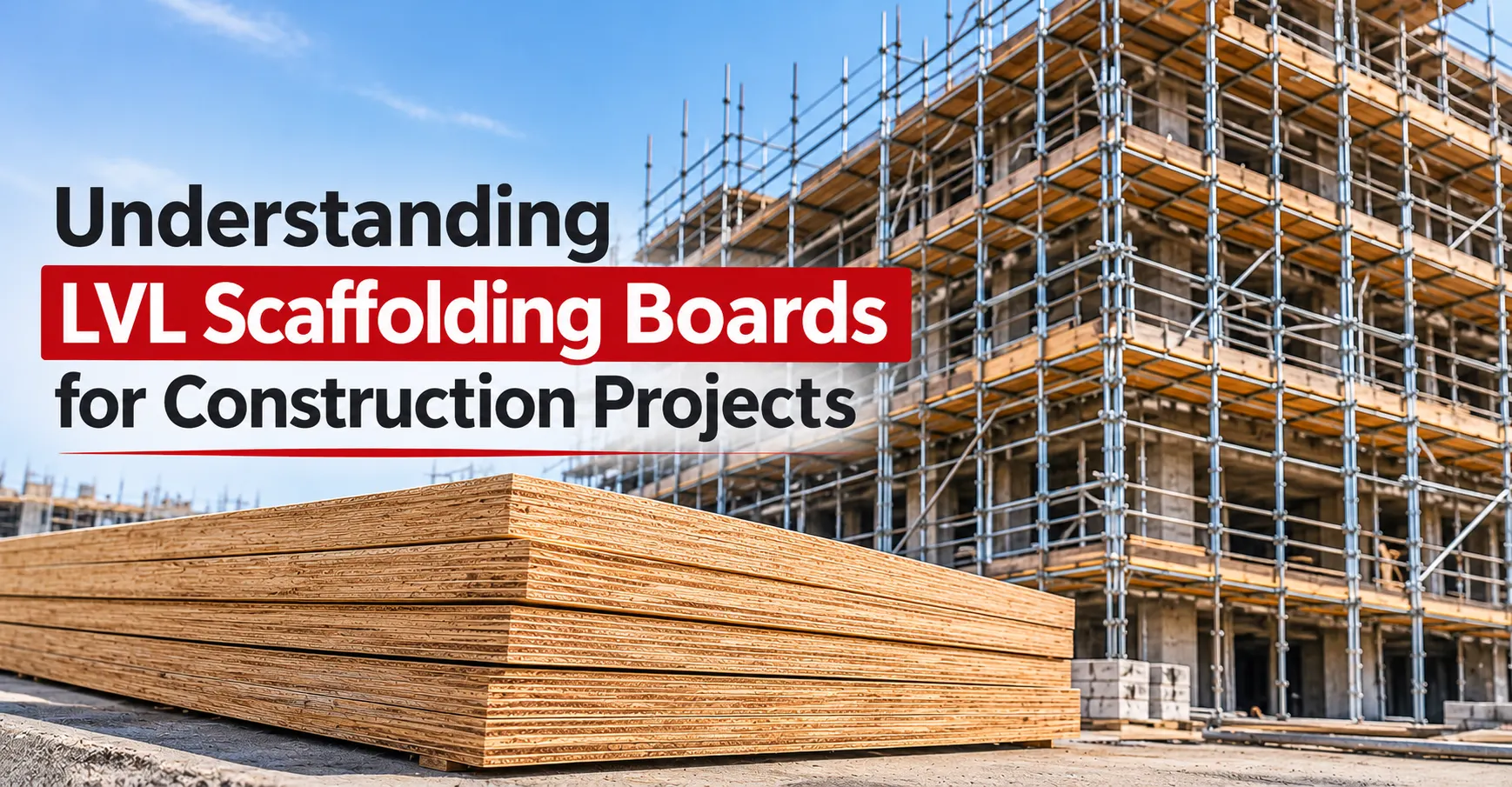
A suitable working platform is essential for construction, renovation and maintenance activities. Whether a contractor is working on a residential development in Johannesburg, a commercial building in Cape Town or an industrial facility in Durban, scaffold platform components must be selected carefully. LVL scaffolding boards in South Africa are one option worth considering when a project requires engineered timber boards for suitable scaffolding applications.
LVL stands for Laminated Veneer Lumber. Unlike ordinary solid timber, it is manufactured by bonding thin layers of wood veneer together. This engineered construction gives the material more consistent characteristics, although the suitability of any board still depends on its specification, condition and intended application.
Understanding how to select and look after LVL scaffold boards can help contractors make more informed decisions when sourcing equipment for their sites.
What Makes LVL Scaffolding Boards Different?
Laminated Veneer Lumber Boards are manufactured by arranging and bonding layers of wood veneer. The manufacturing process creates an engineered timber product with a more controlled structure than many conventional sawn timber products.
For scaffolding applications, consistency is an important consideration. Boards need to be suitable for their intended support arrangement, working conditions and loading requirements.
Some key characteristics of LVL include:
- Engineered construction: Made by bonding multiple layers of wood veneer.
- Consistent material structure: Manufactured to provide more uniform characteristics than ordinary timber.
- Practical platform applications: Suitable grades and specifications can be used in approved scaffold platform arrangements.
- Project versatility: Available in different specifications depending on the intended application.
It is important to remember that not every LVL board is automatically suitable for scaffolding. Contractors should confirm that the product is specifically rated or approved for the intended use.
Where Are LVL Scaffold Boards Used?
Suitable LVL scaffolding boards can support working-platform requirements across different construction and maintenance environments.
1. Residential Construction
House construction, extensions and renovation projects often require temporary access platforms for plastering, painting, brickwork and other building activities. Properly specified scaffold boards can form part of the working platform when used with a compatible scaffold system.
2. Commercial Building Projects
Commercial developments may involve several trades working at different levels. Contractors need to consider platform dimensions, support spacing and the type of work being performed before selecting board materials.
3. Industrial Maintenance
Industrial facilities may require temporary access for inspection, repairs and maintenance. In these environments, the board specification must be appropriate for the working conditions and the scaffold arrangement.
4. Renovation and Refurbishment
Renovation projects can involve uneven work areas, changing access requirements and different types of building activity. Selecting suitable platform components helps teams plan their temporary access arrangements more effectively.
How to Select the Right LVL Scaffolding Boards
Choosing boards based only on price or appearance can lead to unsuitable purchasing decisions. Contractors should review several factors before placing an order.
Check the Board Specification
Confirm the board’s length, width, thickness, grade and intended application. The supplier should be able to provide relevant product information so that the contractor can determine whether it is appropriate for the proposed scaffold arrangement.
Confirm Load Requirements
Consider the workers, tools and materials that will be present on the platform. The permitted loading depends on the board’s verified specification, support spacing and the overall scaffold design.
Never estimate the safe working load from appearance alone.
Check Compatibility
The board must work with the intended scaffold configuration. Confirm the support arrangement, dimensions and installation requirements before ordering.
For projects using other platform materials, contractors can also compare suitable steel scaffolding planks and their compatibility with the relevant scaffold system.
Consider Quantity and Project Duration
Estimate how many boards are required for the project and whether additional stock may be needed. Contractors handling several sites should also consider transport, storage and future reuse.
Inspection and Maintenance of LVL Scaffold Boards
Even a correctly specified board needs regular inspection and proper handling. Damage can occur during transportation, installation, dismantling and storage.
Before use, check for:
- Visible cracks, splits or delamination.
- Damaged edges or significant surface deterioration.
- Signs of moisture damage or decay.
- Unusual bending, warping or deformation.
- Damage that could affect the board’s structural integrity.
Any board with suspected structural damage should be removed from service until it has been assessed by a competent person. Do not attempt to make a damaged board usable through an improvised repair.
Store Boards Correctly
Good storage practices can help protect engineered timber boards between projects.
- Store boards in a clean, organised and suitably dry location.
- Keep them supported properly rather than leaving them unevenly stacked.
- Protect them from unnecessary exposure to rain and standing water.
- Avoid dragging boards across rough surfaces.
- Separate damaged boards so they are not accidentally returned to use.
A simple inspection and storage routine can help contractors manage their scaffold materials more effectively.
LVL Boards Compared with Other Scaffolding Platform Materials
LVL is not the only material used for scaffold platforms. The appropriate choice depends on the scaffold system, project requirements and product specifications.
|
Material |
General characteristics |
Important consideration |
|
LVL boards |
Engineered timber construction |
Confirm scaffold suitability and load specification |
|
Solid wooden planks |
Made from sawn timber |
Timber grade, condition and suitability must be checked |
|
Steel scaffolding planks |
Manufactured steel platform components |
Confirm compatibility with the scaffold system |
For contractors sourcing different scaffolding materials in South Africa, comparing product specifications is more useful than choosing solely by material type.
You can explore the available LVL laminated scaffolding boards and wooden planks to review the relevant product options.
Planning Scaffold Board Requirements for South African Sites
Before sourcing LVL Scaffolding Boards South Africa, contractors should prepare basic project information. This makes it easier to identify suitable products and request accurate quotations.
Consider preparing:
- Required board dimensions and quantities.
- The type of scaffolding system being used.
- Intended working height and platform arrangement.
- Expected workers, tools and materials on the platform.
- Project location and delivery requirements.
- Whether the boards are needed for a short-term or ongoing project.
For projects in Johannesburg, Cape Town, Pretoria, Durban, Bloemfontein and Gqeberha, sharing the site location helps suppliers assess delivery arrangements. You can check the company’s South Africa service areas before making an enquiry.
Frequently Asked Questions
1. What are LVL scaffolding boards made from?
LVL boards are made by bonding layers of wood veneer together to create an engineered timber product known as Laminated Veneer Lumber.
2. Are LVL boards suitable for scaffolding?
Certain LVL products are designed for scaffold platform applications. Always confirm the product’s specification, suitability, loading information and installation requirements before use.
3. How are LVL boards different from ordinary wooden planks?
LVL boards are manufactured from bonded veneer layers, while ordinary wooden planks are generally cut from solid timber. Their properties and suitability depend on their respective grades and specifications.
4. How should LVL scaffold boards be stored?
Store them in a clean, suitably dry area with proper support. Protect them from moisture, physical damage and unsuitable stacking conditions.
5. Where can contractors enquire about LVL scaffolding boards in South Africa?
Contractors can contact South Africa Scaffolding with their required dimensions, quantity and project location to enquire about current availability and pricing.
Conclusion
Selecting suitable LVL scaffolding boards involves more than choosing a timber product. Contractors should consider the board specification, intended loading, support arrangement, compatibility, inspection requirements and storage conditions before using them on a construction site.
For building, renovation and maintenance projects, taking time to assess these factors can support better equipment planning and more organised site operations.
South Africa Scaffolding supplies scaffolding products and building materials for contractors, builders and other construction customers. To enquire about LVL Scaffolding Boards South Africa, share your required dimensions, quantity and project location with the team.
Contact South Africa Scaffolding to discuss your requirements and current product availability. Visit our website to explore the available scaffolding products and materials.